

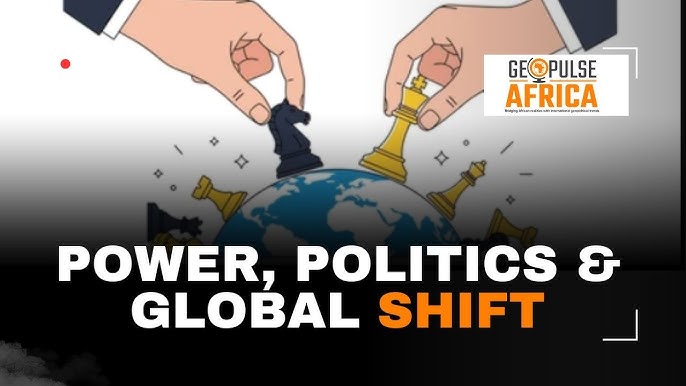
In recent years, modern politics has been reshaped by a quiet but powerful shift that is changing how leaders communicate, influence public opinion, and build authority. This “power move” is not about traditional speeches or campaign rallies alone—it is about the strategic use of digital platforms, data-driven messaging, and real-time public engagement. As political landscapes become more connected and fast-moving, this transformation is redefining how influence is built and maintained in the modern world.
The Rise of Digital Influence in Modern Politics
Social Media as a Political Power Tool
Social media platforms have become one of the most influential tools in modern politics. Leaders now use platforms like X (Twitter), Facebook, and Instagram to directly communicate with citizens without relying entirely on traditional media. This direct communication builds a sense of closeness and transparency, allowing politicians to shape narratives instantly. In the digital era, political messaging is no longer filtered—it is immediate, emotional, and highly impactful.
The Shift from Traditional Media Control
Traditional media once acted as the gatekeeper of political information, but that control has significantly weakened. News now spreads through multiple online channels, giving citizens access to diverse perspectives. This shift has reduced centralized influence and increased competition in shaping public opinion. Political figures must now engage with multiple platforms, making adaptability a key part of modern political strategy.
Real-Time Public Engagement Strategies
Modern politics demands constant engagement with the public. Leaders respond to trends, crises, and opinions in real time to maintain relevance. This constant interaction creates a feedback loop where public sentiment directly influences political messaging. As a result, political strategies are no longer static—they evolve continuously based on online reactions and discussions.
Data-Driven Decision Making in Political Strategy
The Role of Big Data in Elections
Big data has become a core element in shaping political campaigns. Analysts collect and interpret massive amounts of voter information to understand behavior patterns, preferences, and concerns. This allows political teams to design targeted strategies that resonate with specific demographics. Data-driven insights now play a central role in winning elections and shaping policy direction.
Micro-Targeting Voters with Precision
Micro-targeting involves delivering customized political messages to small, specific groups of voters. Instead of using one broad message, campaigns now create multiple variations tailored to different audiences. This increases engagement and improves persuasion. By focusing on individual concerns, political campaigns become more effective and emotionally relevant.
Predictive Analytics in Political Campaigns
Predictive analytics helps political teams forecast voter behavior and election outcomes. By analyzing historical data and current trends, campaigns can adjust their strategies in advance. This approach reduces uncertainty and improves decision-making efficiency. Predictive tools have become essential for modern political planning and resource allocation.
The New Era of Political Communication and Influence
Narrative Control Through Digital Storytelling
Political communication today relies heavily on storytelling. Leaders use digital platforms to build narratives that connect emotionally with audiences. Instead of long speeches, short and impactful messages dominate the political space. This storytelling approach helps shape public perception and strengthens political identity in a highly competitive environment.
Influence of Viral Content on Public Opinion
Viral content plays a major role in shaping political discussions. A single post, video, or statement can reach millions within hours, influencing public opinion instantly. This rapid spread of information increases both opportunity and risk for political figures. Managing virality has become an essential part of modern political strategy.
Reputation Management in a Fast Digital World
In today’s fast-paced digital environment, political reputation can change quickly. Leaders must actively manage their online presence to maintain trust and credibility. Monitoring public response, addressing misinformation, and maintaining transparency are key elements of reputation management. A strong digital reputation is now as important as traditional political influence.
The Future of Political Power Dynamics
Decentralization of Political Influence
Political influence is no longer controlled by a single authority or institution. Power is increasingly distributed across digital communities, influencers, and independent media platforms. This decentralization has made politics more open but also more complex. Multiple voices now contribute to shaping political narratives simultaneously.
Rise of Citizen-Driven Movements
Modern political movements are often driven by citizens rather than formal institutions. Online platforms enable individuals to organize, share ideas, and mobilize support quickly. These grassroots movements can grow rapidly and influence national policies. Citizen-driven engagement has become a defining feature of modern political change.
Technology-Driven Governance Models
Technology is reshaping how governments operate and interact with citizens. Digital tools are being used to improve transparency, efficiency, and service delivery. From online voting systems to digital public services, governance is becoming more accessible. This shift represents a long-term transformation in how political systems function.
FAQs
What is the power move in modern politics?
It refers to the strategic use of digital tools, data, and communication platforms to influence public opinion and political outcomes.
How has social media changed politics?
Social media allows direct communication between leaders and citizens, reducing the role of traditional media.
Why is data important in political campaigns?
Data helps campaigns understand voter behavior and create targeted strategies for better engagement.
What is micro-targeting in politics?
It is the practice of sending personalized political messages to specific groups of voters.
How is technology shaping the future of politics?
Technology is improving transparency, communication, and efficiency in governance systems worldwide.
Conclusion
The power move transforming modern politics is rooted in digital influence, data-driven strategies, and real-time communication. As political systems continue to evolve, traditional methods are being replaced by faster, more targeted, and more interactive approaches. Understanding this shift is essential for anyone studying or engaging with modern political landscapes, as it highlights how deeply technology and communication now shape political power.