

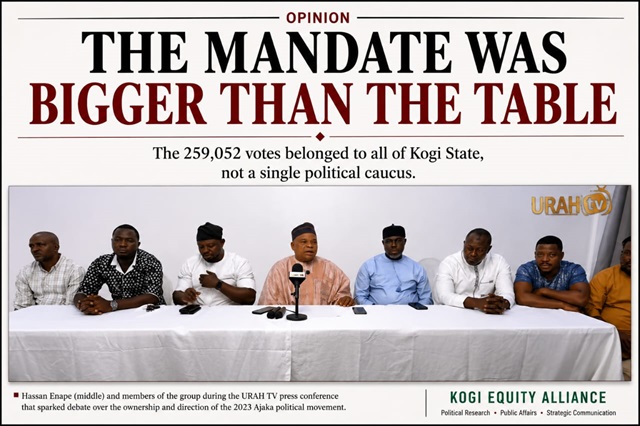
The political world often reacts strongly to even a single decision. One move by a leader, party, or government can quickly turn into a national or global discussion. In many cases, what starts as a strategic decision becomes a major public debate involving media, experts, and citizens. This article explores how one political move can spark wider discussions, influence public opinion, and shape political narratives in a simple and easy-to-understand way.
The Political Decision That Triggered Public Attention
Policy Announcement and Immediate Reaction
A political move often begins with an official announcement, such as a new policy, reform, or legislative change. When this happens, the public response is usually immediate. People try to understand what the decision means for their daily lives, economy, or rights. Even before full details are clear, reactions start forming on social media and news platforms, creating early debate and speculation.
Media Coverage and Interpretation
Media outlets play a major role in shaping how a political move is understood. Different news channels may present the same decision in different ways, depending on their editorial stance. This leads to varied interpretations among the public. As a result, the original message of the political move can become part of a larger narrative shaped by headlines, discussions, and analysis.
Public Expectations and Concerns
Every political move is judged against public expectations. People evaluate whether the decision supports their interests or challenges them. Concerns about economy, social impact, or governance often emerge quickly. These concerns fuel early debate and create pressure on decision-makers to respond or clarify their intentions.
How the Debate Expanded Across Society
Social Media Amplification
Social media platforms play a powerful role in expanding political debates. A single statement or decision can go viral within hours. Users share opinions, criticisms, and support, which increases visibility. Hashtags and trending topics turn a political move into a widespread conversation, often reaching audiences far beyond the original issue.
Role of Political Opponents
Opposition parties and critics often respond quickly to political decisions. They may question the intention, effectiveness, or consequences of the move. Their responses add fuel to the debate and encourage further public discussion. This back-and-forth creates a more intense political environment where every detail is analyzed.
Public Forums and Discussions
Beyond media and politics, everyday citizens also participate in discussions through forums, community groups, and public debates. These conversations help shape collective opinion. People share personal views, experiences, and concerns, making the political move a topic of everyday conversation rather than just a formal news story.
Long-Term Impact of the Political Debate
Influence on Policy Adjustments
When a political move creates strong debate, governments often reconsider or adjust their policies. Feedback from the public and stakeholders can lead to revisions, clarifications, or even policy changes. This shows how public opinion can directly influence governance decisions over time.
Shift in Public Trust and Perception
Political debates can affect how people view leadership and institutions. If a move is seen as positive, trust may increase. However, if it is controversial, it may reduce confidence. Over time, these perceptions play a key role in shaping political support and voter behavior.
Media Narrative Evolution
As time passes, media coverage of a political move often evolves. Initial reactions may be emotional or reactive, but later analysis becomes more structured and fact-based. This shift helps the public understand the broader impact of the decision beyond immediate reactions.
FAQs
What does it mean when a political move sparks a debate?
It means a decision or action leads to widespread public discussion and differing opinions.
Why do political moves create public reactions?
Because they often affect society, economy, or governance, which impacts people directly or indirectly.
How does social media influence political debates?
It spreads information quickly and allows people to share opinions instantly, increasing visibility.
Can political debates change government decisions?
Yes, public pressure and feedback can lead to adjustments or revisions in policies.
Why is media important in political discussions?
Media shapes how people understand and interpret political events through reporting and analysis.
Conclusion
A single political move can quickly grow into a larger debate that involves media, political groups, and the public. This happens because political decisions often affect many aspects of society and trigger strong opinions. As discussions spread, they influence perception, policy direction, and even future decisions. Understanding this process helps us see how interconnected politics and public opinion truly are in shaping modern governance.