

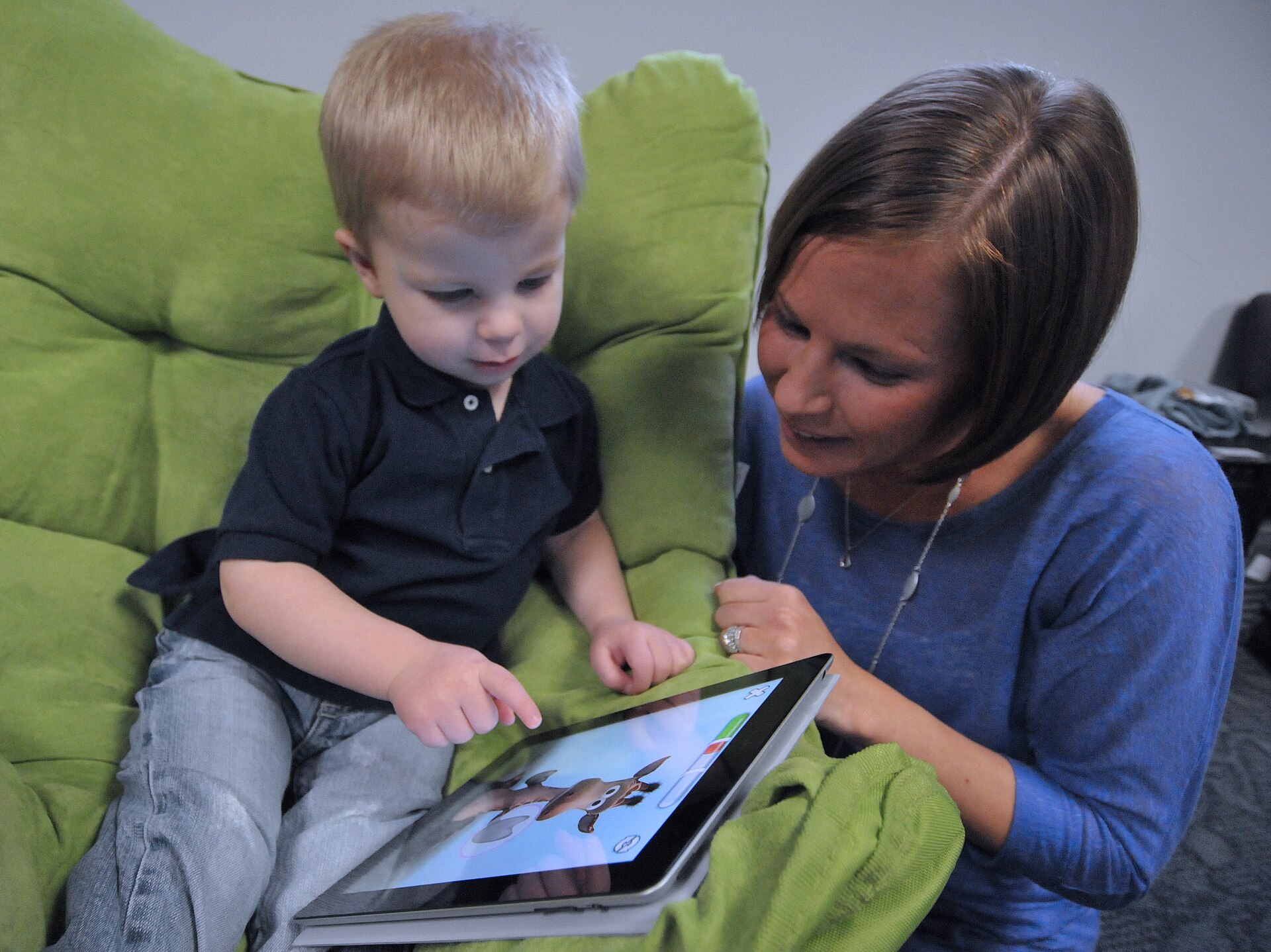
For years, children’s privacy online was treated as a matter of parental vigilance: check the settings, read the policy, watch what your child downloads. Regulators have increasingly concluded that this framing was unfair and ineffective. The services children use were designed to collect data, maximise engagement and encourage sharing, and no amount of parental effort at the kitchen table could outweigh design decisions taken by large engineering teams.
The shift is visible in new codes and laws that place the duty on the designer. Under such regimes, a service likely to be used by children must set privacy to high by default, collect the minimum data needed, switch off profiling and geolocation unless they can be justified, and explain all of it in language a child can actually understand. Privacy becomes a property of the product, not a test of the parent.
What Good Design Looks Like
In practice, child-centred design is a set of concrete choices. Sign-up flows that do not nudge children into public profiles. Recommendation systems that do not trap a ten-year-old in an engagement loop at midnight. Clear, in-the-moment explanations when an app asks for the camera, the microphone or a location, and genuine refusal options that do not punish the child by breaking the service they came for.
Guidance from the Information Commissioner’s Office and the children’s-rights work of UNICEF have shaped how these ideas are applied, and case studies are followed at our news coverage. Companies have responded unevenly; some have rebuilt onboarding and defaults for younger users, while others argue about age verification, which itself creates a privacy problem by demanding identity documents from everyone.
Age Checks and the Next Argument
Age assurance is the hardest knot in the new approach. Services need some way to know which users are children, yet verifying age rigorously can exclude people without documents, create valuable databases of identity, and push teenagers towards unregulated corners of the internet. Privacy-preserving methods, estimating age or proving an age bracket without revealing identity, are improving, but none is yet both effortless and trustworthy.
Parents, meanwhile, are being repositioned rather than removed. The emerging model gives families meaningful controls and honest information, while relieving them of responsibility for choices they never really had. Schools share in that settlement too, teaching children how data about them is used commercially, as a basic literacy alongside reading privacy notices that adults themselves rarely finish.
Designing the Internet Children Actually Inherit
The deeper argument is about what kind of digital environment a society builds when it knows children will be present from the start. The first generation of social platforms was designed for adults and colonised by the young; the next is being designed, under regulatory pressure, with children’s presence assumed and their interests treated as constraints that design must respect rather than obstacles to engagement.
Progress will be uneven, enforcement slower than announcements, and determined children will keep finding the edges of every system. Still, the conceptual move matters. Children’s privacy is no longer mainly a warning on a poster in a school corridor. It is a specification, written into codes, audits and design reviews, and that is where it always needed to be.
The Wider Picture
Children themselves are an overlooked voice in these debates. Research with young users shows they care about privacy intensely, but define it socially, in terms of who among their friends, family and schoolmates can see what they do, rather than in terms of corporate data collection they cannot see at all. Design that respects children has to answer both concerns: protection from the data practices of platforms, and control over the audiences that matter in a child’s actual life. The best recent services involve young people in testing and explain data choices at the moment they arise, in plain language, rather than burying them in documents written for lawyers. That approach treats children neither as miniature adults nor as passive risks, but as users with rights and judgement that develop over time, which is precisely the balance the new codes are trying, imperfectly, to strike.
More stories in this area are collected in our Tech News section.
