

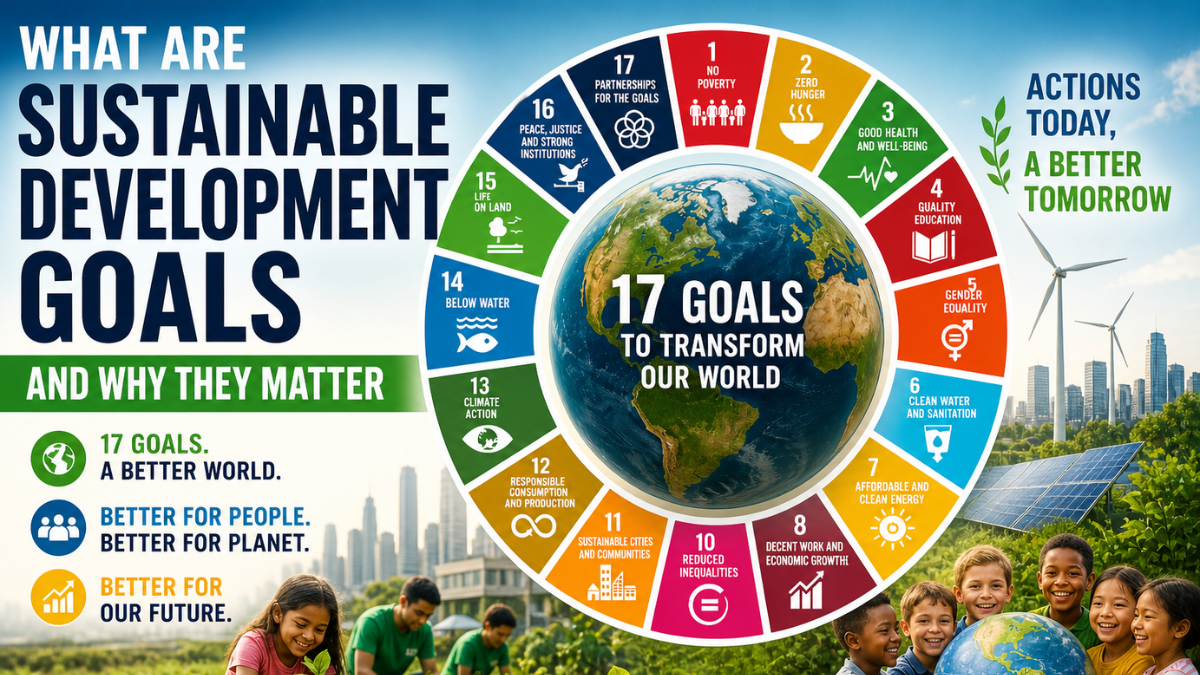
A quiet but powerful shift is taking place across the world, influencing economies, technology, politics, and daily human life in ways many people do not fully notice. While it may appear like just another headline, this global development carries deeper consequences that can reshape future opportunities, international relations, and long-term stability. Understanding why this change matters is important for businesses, policymakers, and everyday readers who want to stay informed in an increasingly connected world.
The Rising Importance of Global Economic Transformation
Shift in Global Trade Patterns
Global trade patterns are changing rapidly as countries adjust to new supply chain realities and economic partnerships. This shift is not only about importing and exporting goods but also about how nations depend on each other for stability. As trade routes evolve, businesses are forced to rethink strategies to stay competitive in a more uncertain environment.
Impact on Emerging Markets
Emerging markets are becoming central players in global development, gaining attention for their fast-growing economies and young populations. This rise is creating new opportunities for investment and innovation, while also increasing competition among developing nations. The shift is gradually reducing traditional economic dominance by a few major powers.
Long-Term Economic Stability Concerns
While growth is expanding in some regions, global instability remains a concern due to inflation, debt challenges, and resource limitations. These factors make economic forecasting more complex and highlight the importance of balanced development policies. Long-term stability now depends on cooperation and adaptive economic strategies.
Technological Advancement Driving Global Change
Acceleration of Digital Transformation
Digital transformation is reshaping industries faster than ever before, affecting everything from communication to business operations. Companies are adopting new technologies to improve efficiency, reduce costs, and reach global audiences. This rapid shift is making digital skills essential for future employment and growth.
Expansion of Artificial Intelligence Systems
Artificial intelligence is playing a growing role in global development by automating processes and improving decision-making. AI is influencing healthcare, finance, education, and manufacturing in ways that were not possible a decade ago. As AI expands, it is also raising important discussions about ethics and regulation.
Cybersecurity Challenges in a Connected World
As digital systems grow, cybersecurity threats are also increasing in scale and complexity. Governments and organizations are investing heavily in protecting data and infrastructure from cyberattacks. This challenge highlights how technological progress must be balanced with strong security frameworks.
Social and Environmental Implications of Global Change
Shifting Population Dynamics
Population trends are changing due to urbanization, migration, and demographic shifts. Many countries are experiencing aging populations, while others see rapid youth growth. These changes affect labor markets, healthcare systems, and long-term national planning.
Environmental Pressure and Sustainability Concerns
Environmental challenges such as climate change, resource depletion, and pollution are becoming more urgent. Global development is now closely tied to sustainability efforts aimed at reducing environmental damage. Governments and organizations are focusing more on green policies and renewable energy solutions.
Changing Human Lifestyle Patterns
Modern lifestyles are evolving due to technological access and global connectivity. People are working remotely, consuming digital content more than ever, and adapting to new forms of communication. These changes are influencing culture, behavior, and even personal identity across societies.
Geopolitical Shifts and Global Power Balance
Redefining International Alliances
Global alliances are shifting as countries form new partnerships based on economic and strategic interests. These realignments are influencing trade agreements, security arrangements, and diplomatic relationships. The global power structure is becoming more flexible and less predictable.
Rising Strategic Competition
Competition among major global powers is increasing in areas such as technology, energy, and defense. This competition is shaping policies and driving innovation while also creating tensions in international relations. It highlights the importance of strategic planning at national levels.
Influence of Global Institutions
International organizations continue to play a key role in managing global challenges. Their influence helps maintain dialogue and cooperation among nations during uncertain times. However, their effectiveness often depends on the willingness of member countries to collaborate.
FAQs
1. Why does global development matter today?
Global development matters because it influences economies, technology, and international relationships worldwide.
2. How does technology impact global change?
Technology accelerates communication, automation, and innovation across industries and societies.
3. What are the risks of global economic shifts?
Risks include instability, inflation, supply chain disruptions, and uneven growth.
4. How does environmental change relate to global development?
Environmental issues are directly linked to development through resource use and sustainability efforts.
5. Why should individuals care about global trends?
Global trends affect jobs, prices, technology access, and overall quality of life.
Conclusion
This global development is more significant than it appears because it connects economic transformation, technological progress, environmental concerns, and geopolitical shifts into one evolving system. Its impact is shaping how countries grow, how businesses operate, and how individuals live their daily lives. Understanding these changes helps readers stay informed and prepared for a future where global interconnection will only continue to deepen.