

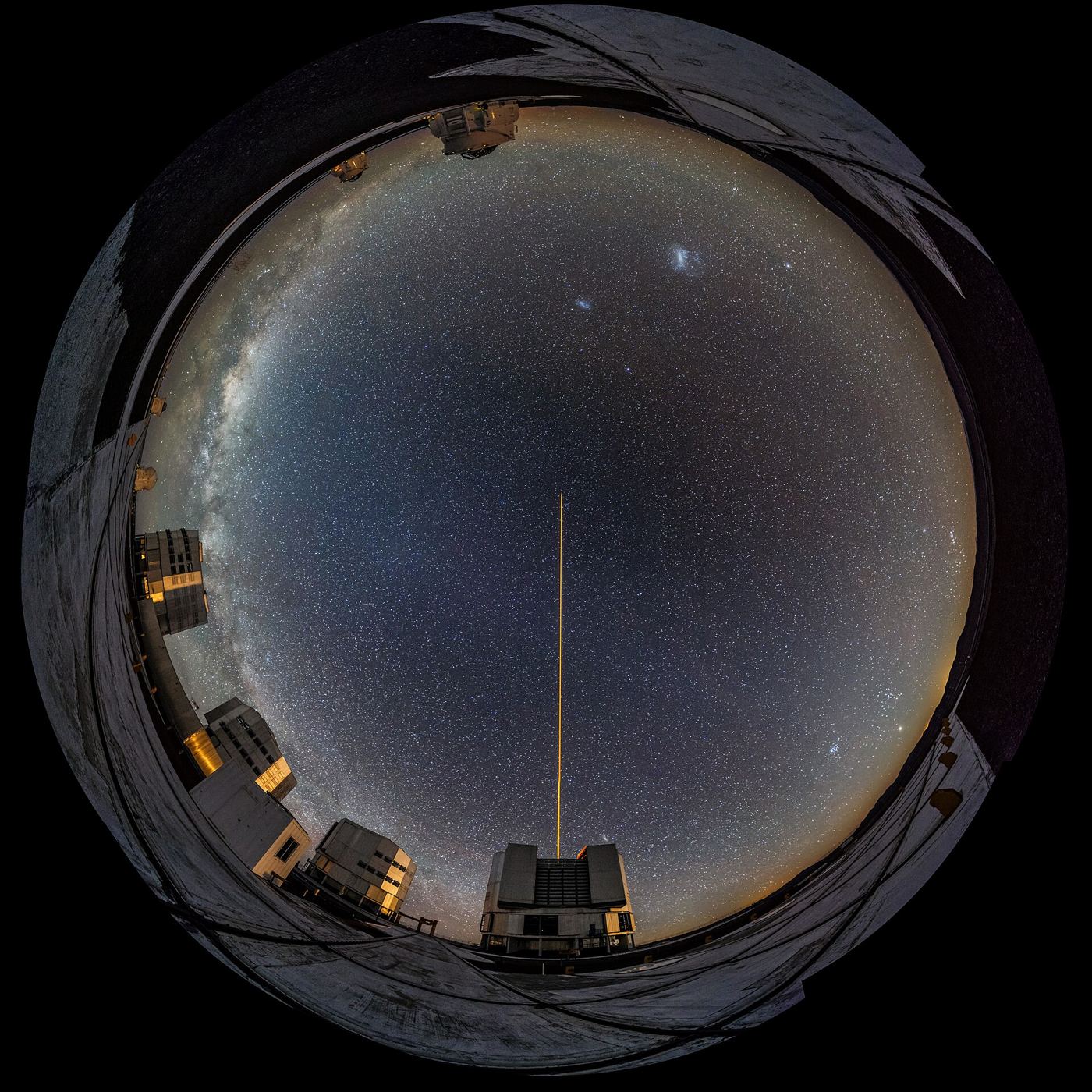
Observatories are adopting a shared scheduling system that lets telescopes hand off a fast-moving target across continents as the Earth rotates through the night. The approach is designed for brief events such as stellar occultations and near-Earth asteroid passes, which a single site may glimpse for only minutes. Coordinated handovers have already produced continuous light curves that no individual observatory could ever have recorded entirely alone.
What the Evidence Shows
Astronomers say the real gain is scientific context, because uninterrupted observations reveal how an object brightens, dims, or changes colour over a full rotation. Smaller university observatories benefit most, contributing useful data alongside major facilities when weather and longitude align favourably. Organisers caution that standardising instruments and timing remains difficult, yet the network model is rapidly becoming essential for modern time-domain astronomy research worldwide today. Reporting and analysis from sources such as National Science Foundation track the same developments, and specialists following global telescope handover network say the direction is now consistent across independent lines of evidence.
The Wider Context
The wider context is a research landscape in which replication and open data now decide reputations. Findings connected to global telescope handover network are being checked by independent groups with shared datasets, and the teams involved publish their methods in full so rivals can test every step. That discipline is slower than a headline cycle, but it is why results in this area increasingly survive first contact with scrutiny.
What Happens Next
What happens next in the story of global telescope handover network will be decided by follow-up work already under way: larger samples, longer observation and instruments that have not yet come online. The researchers involved are unusually united on one point, that the current results justify the next investment of time and money. Readers will not have to wait long for the first tests of that claim. You can follow related developments in our coverage of science.
There is a practical lesson in all of this for readers deciding what to do today. Start with the verified facts, be wary of anyone promising certainty, and prefer reversible steps while the evidence is still developing. Circumstances differ by country, income and personal situation, so general guidance should always be weighed against your own context before you act on it in any significant or lasting way.
It is also worth remembering how quickly the picture in this area has changed before. Positions that looked settled a few years ago have been revised as new data arrived, and the same humility is appropriate now. The strongest coverage of this subject, and the most useful advice, tends to come from sources that update their views openly when the facts move, rather than defending an earlier position long after it has stopped fitting the evidence available.
