

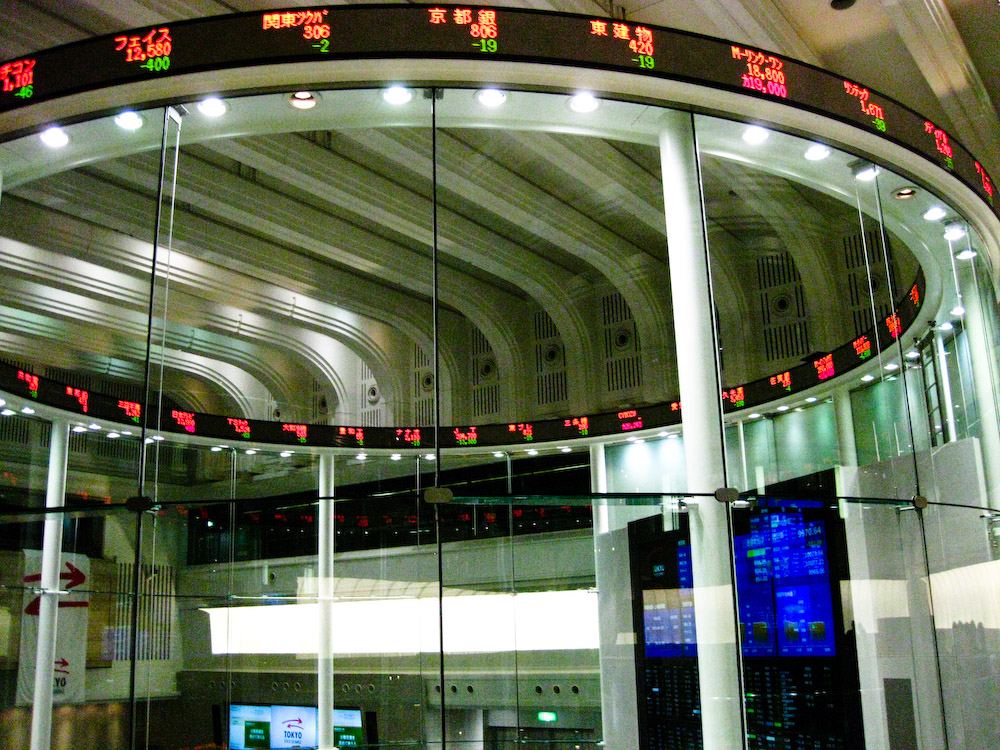
On a typical trading screen, some sectors glow green while others fade red, and that pattern quietly shifts over weeks and months. Money moving gradually out of one group of companies and into another is known as sector rotation, and it often reflects changing expectations about the wider economy. When investors expect slower growth, defensive areas such as utilities and healthcare may attract more interest, while in more confident periods, technology, travel, or construction shares may lead. Watching these movements does not predict the future, but it does reveal where professional attention is gathering and where it is drifting away, which adds useful context to daily price moves. The pattern becomes clearer over quarters rather than days, which is why long term observers track it on charts that smooth out daily noise and excitement.
What the Evidence Shows
Financial educators caution that rotation is a description, not a strategy on its own, and chasing whichever sector performed best last month can leave a portfolio unbalanced. A more measured use of the information is to check whether your own holdings have become heavily concentrated in one area after a long run of gains. Diversification across sectors, regions, and asset types remains the standard way households spread risk, so that a downturn in one industry does not dominate overall returns. Reviewing that balance once or twice a year, calmly and without reacting to every market swing, is the approach most advisers describe when they talk about keeping long term plans on track. Discussing that balance with a regulated adviser, where personal advice is needed, helps households connect general market patterns to their own goals, timeframes, and circumstances. Reporting and analysis from sources such as World Bank track the same developments, and specialists following sector rotation in stock markets say the direction is now consistent across independent lines of evidence.
The Wider Context
For households and small firms, sector rotation in stock markets matters through prices and access rather than through market commentary. Changes at this level arrive as a rate on an offer letter, a fee on a statement or a product that quietly disappears from a comparison table. Consumer groups argue that transparency at exactly that point of decision is worth more than any amount of market-level reporting.
What Happens Next
The outlook for sector rotation in stock markets hinges on policy choices that will be made in the open over the coming quarters. Market participants are positioned for more than one outcome, which is why the immediate reaction to each announcement has been smaller than the commentary around it. For ordinary savers and borrowers, the advice from every quarter is the same: review your own position, not the headlines. You can follow related developments in our coverage of finance.
It is also worth remembering how quickly the picture in this area has changed before. Positions that looked settled a few years ago have been revised as new data arrived, and the same humility is appropriate now. The strongest coverage of this subject, and the most useful advice, tends to come from sources that update their views openly when the facts move, rather than defending an earlier position long after it has stopped fitting the evidence available.
