

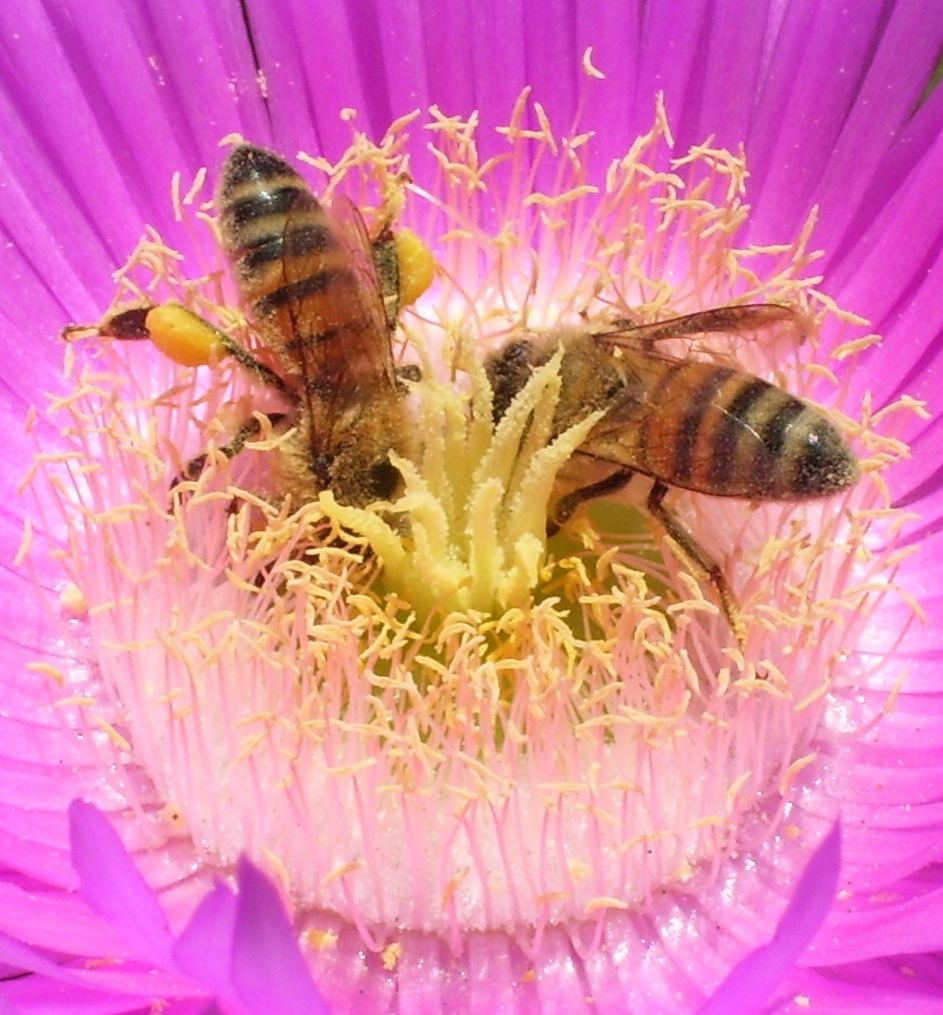
A honeybee colony is not just thousands of insects but a travelling community of microbes, carried in bee guts, stored in pollen and spread through the shared food that binds the hive together. Researchers studying this microbiome have found that certain gut bacteria help bees digest pollen, resist parasites and tolerate some pesticides, while disruption of those communities is linked with colonies that struggle. The bees acquire many of their microbes socially, through contact with nestmates and hive materials in their first days of life, which makes the colony function almost like a single digestive system. That insight reframes familiar threats. Antibiotics used against hive diseases, pesticide exposure in farmland and poor nutrition from limited flowers may all harm colonies partly by unsettling their microbial partners. Laboratory studies show that bees deprived of normal gut bacteria gain weight poorly and die sooner when challenged by common parasites. Field work is now testing whether the same patterns appear in working apiaries, where conditions are messier and many stresses act together. Scientists are also examining the microbes in stored pollen, sometimes called bee bread, whose fermentation may preserve food and add nutrients through the winter months when fresh forage disappears and colony survival depends on stores.
What the Evidence Shows
If the microbiome proves to be a reliable lever on colony health, beekeepers may one day manage it deliberately, much as farmers manage soil biology. Trials are exploring whether feeding beneficial bacteria, adjusting hive treatments or planting flower mixes that support healthier gut communities can make colonies more resilient. Caution is warranted, because releasing poorly understood microbial products into hives could spread between colonies and wild pollinators with unintended effects. Wild bees, which lack a beekeeper’s care, may face the same microbial disruption from pesticides and habitat loss, and some researchers suspect shared flowers act as meeting points where microbes and diseases pass between species. Mapping that traffic could improve how pollinator habitats are designed, favouring flower diversity and spacing that support nutrition without concentrating infection. The work also offers a broader lesson in biology: health is often a property of communities rather than individuals. For honeybees under pressure from parasites, chemicals and climate stress, protecting the invisible life inside the hive may become as important as breeding hardier bees or controlling mites. Understanding those partnerships will not solve every cause of colony loss, but it adds a practical and previously overlooked target for research and care. Reporting and analysis from sources such as National Science Foundation track the same developments, and specialists following the beehive microbiome say the direction is now consistent across independent lines of evidence.
The Wider Context
The wider context is a research landscape in which replication and open data now decide reputations. Findings connected to the beehive microbiome are being checked by independent groups with shared datasets, and the teams involved publish their methods in full so rivals can test every step. That discipline is slower than a headline cycle, but it is why results in this area increasingly survive first contact with scrutiny.
What Happens Next
What happens next in the story of the beehive microbiome will be decided by follow-up work already under way: larger samples, longer observation and instruments that have not yet come online. The researchers involved are unusually united on one point, that the current results justify the next investment of time and money. Readers will not have to wait long for the first tests of that claim. You can follow related developments in our coverage of science.
