

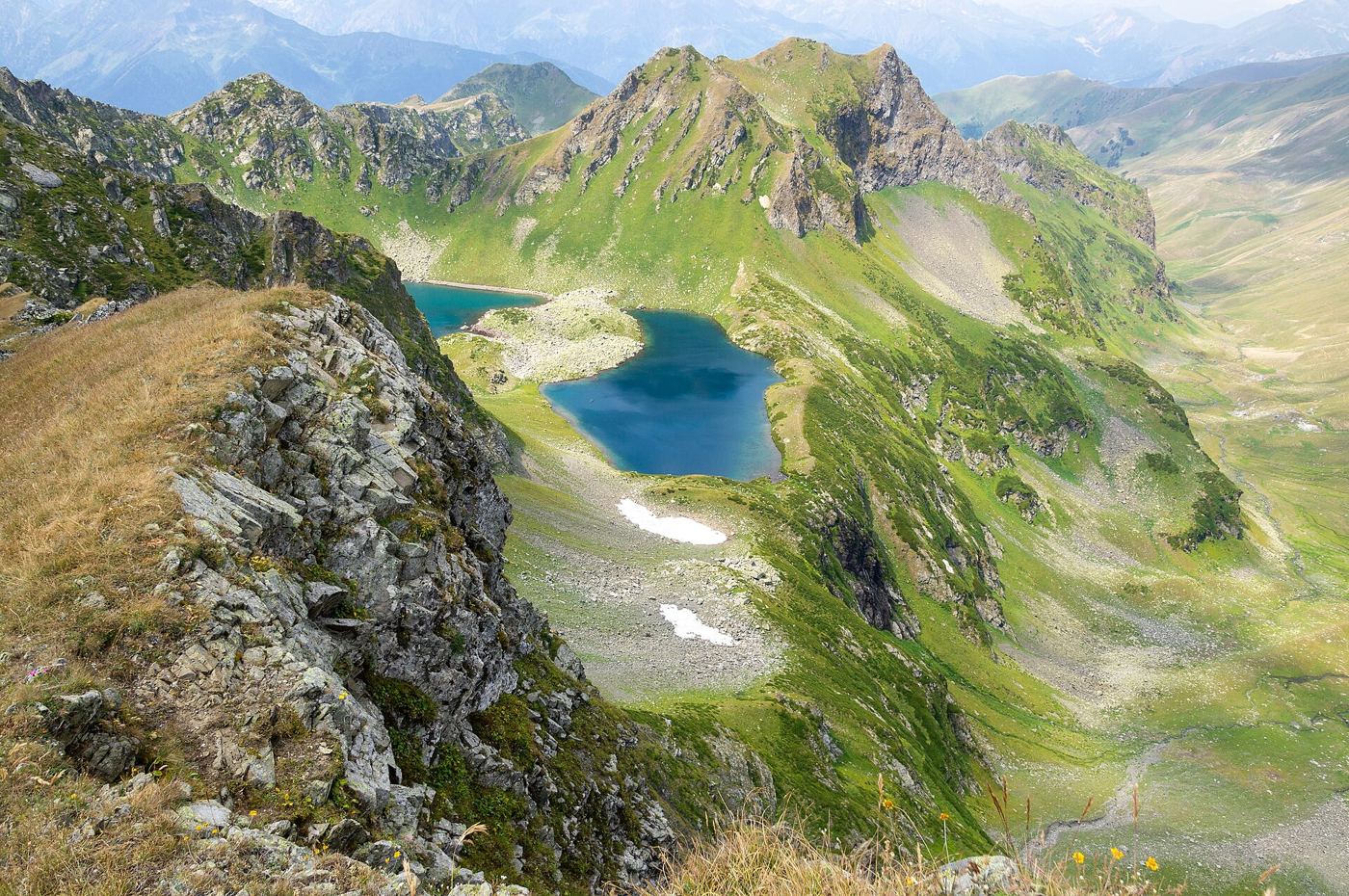
The water leaving a mountain glacier travels much farther than the valley it melts into, and millions of people downstream depend on its steady timing. Glacier-fed rivers run cold and strong through the warm, dry months when rainfall is scarce and farms need irrigation most. Hydrologists describe glaciers as natural reservoirs that store winter snow and release it slowly through summer. As glaciers shrink, rivers may at first carry more meltwater, then less, and the dependable late-season flow that towns, orchards and hydropower plants plan around becomes harder to guarantee. Understanding that transition is now a central task for water managers in mountain regions on several continents. In dry years the difference is visible at the tap and in the fields, when glacier water can be the flow that keeps a valley functioning.
What the Evidence Shows
Planning for a future with smaller glaciers starts with measurement: gauges on meltwater streams, surveys of ice thickness and careful records of when flows peak each year. Some valleys are responding by improving irrigation efficiency, restoring wetlands that hold water back, and diversifying supplies so no single source carries the whole demand. Others are renegotiating how river water is shared between farms, cities and ecosystems during dry spells. Scientists note that adaptation is easier when it begins early, while glaciers still buffer the system. The lakes forming in glacier valleys, photographed by hikers as scenery, are also part of this story, holding meltwater that managers increasingly need to understand and plan for. In that sense every glacier gauge is also a piece of social infrastructure, giving whole valleys the warning they need to adapt before shortages arrive unannounced. Reporting and analysis from sources such as National Science Foundation track the same developments, and specialists following glacier-fed river systems say the direction is now consistent across independent lines of evidence.
The Wider Context
The wider context is a research landscape in which replication and open data now decide reputations. Findings connected to glacier-fed river systems are being checked by independent groups with shared datasets, and the teams involved publish their methods in full so rivals can test every step. That discipline is slower than a headline cycle, but it is why results in this area increasingly survive first contact with scrutiny.
What Happens Next
What happens next in the story of glacier-fed river systems will be decided by follow-up work already under way: larger samples, longer observation and instruments that have not yet come online. The researchers involved are unusually united on one point, that the current results justify the next investment of time and money. Readers will not have to wait long for the first tests of that claim. You can follow related developments in our coverage of science.
There is a practical lesson in all of this for readers deciding what to do today. Start with the verified facts, be wary of anyone promising certainty, and prefer reversible steps while the evidence is still developing. Circumstances differ by country, income and personal situation, so general guidance should always be weighed against your own context before you act on it in any significant or lasting way.
