

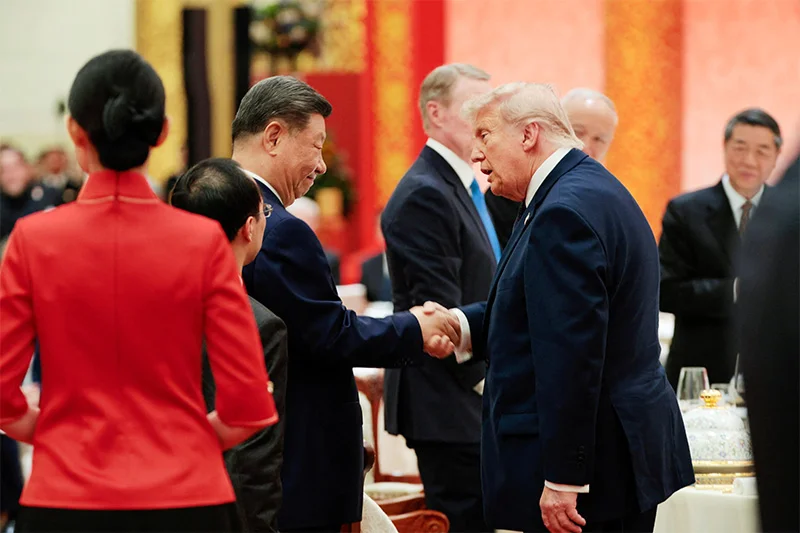
A quiet but powerful transformation is happening across the world. Without loud announcements or sudden events, global affairs are being reshaped by changes in technology, economics, politics, and information flow. This silent world shift is influencing how countries interact, how power is distributed, and how decisions are made on a global scale. Understanding this shift is important because it affects everything from trade and security to communication and future opportunities for nations and individuals.
The Changing Balance of Global Power
Rise of Multi-Polar Influence
Global affairs are no longer dominated by a single superpower. Instead, multiple countries now share influence across different regions. This multi-polar structure is creating a more complex international system where decisions depend on negotiation rather than control. As nations grow economically and technologically, global leadership becomes more distributed, reshaping traditional power structures.
Economic Realignment Across Regions
Global economic power is shifting toward emerging markets that are becoming more active in trade and investment. Countries in Asia, the Middle East, and parts of Africa are increasing their economic influence through industrial growth and digital expansion. This realignment is changing global supply chains and redefining trade relationships between developed and developing economies.
Strategic Competition in a Connected World
Even though global cooperation is increasing, strategic competition among nations is also rising. Countries are focusing on technology leadership, energy independence, and economic security. This competition is subtle but continuous, shaping alliances and influencing international policies without direct conflict.
Technology as a Driver of Global Transformation
Digital Economies Reshaping Trade
The rise of digital economies is transforming how global trade operates. Businesses now depend on digital platforms, cloud systems, and online marketplaces. This shift is reducing traditional barriers and allowing even small economies to participate in global trade more effectively, changing long-established economic patterns.
Artificial Intelligence and Global Decision-Making
Artificial intelligence is becoming a key factor in global affairs. Governments and organizations are using AI to analyze data, predict trends, and make strategic decisions. This technological advancement is increasing efficiency but also raising concerns about control, transparency, and global regulation standards.
Cyber Influence and Information Control
Information has become a powerful tool in global affairs. Cyber activities, digital influence campaigns, and data control strategies are shaping public opinion and political narratives. This silent influence is redefining how countries manage communication and protect their digital sovereignty in an interconnected world.
Shifting Social and Economic Structures Worldwide
Changing Workforce Dynamics
The global workforce is evolving due to automation, remote work, and digital skills demand. Traditional job structures are being replaced with flexible, skill-based opportunities. This shift is impacting employment patterns across countries and creating new forms of economic participation.
Global Migration and Urban Growth Trends
Migration patterns are changing as people move toward regions with better economic opportunities and stability. At the same time, urban areas are expanding rapidly, creating megacities that drive innovation and economic activity. These trends are reshaping demographic structures and influencing national policies.
Rise of Knowledge-Based Economies
Many countries are transitioning from industrial economies to knowledge-based systems. Education, innovation, and digital skills are becoming the foundation of economic growth. This transformation is increasing competition among nations to develop talent and invest in research-driven industries.
FAQs
What is the silent world shift in global affairs?
It refers to gradual but powerful changes in global power, technology, and economics that reshape international relations without sudden events.
Why is global power becoming multi-polar?
Because multiple countries are growing economically and politically, reducing dependence on a single dominant superpower.
How does technology influence global affairs?
Technology impacts trade, communication, security, and decision-making, making global systems more interconnected and complex.
What role does AI play in global changes?
AI helps analyze data, support decision-making, and improve efficiency in governance, business, and security systems.
How is the global workforce changing?
The workforce is shifting toward remote work, digital skills, and flexible job structures driven by automation and technology.
Conclusion
The silent world shift reshaping global affairs is a gradual but powerful transformation driven by changes in power distribution, technology, and economic systems. While it may not always be visible, its impact is deeply influencing how nations interact and how global systems function. Understanding these changes helps us better prepare for a future where adaptability, innovation, and awareness will define success in an increasingly interconnected world.